

Johnny Cade Personality: A Deep Dive into His Trauma and Character

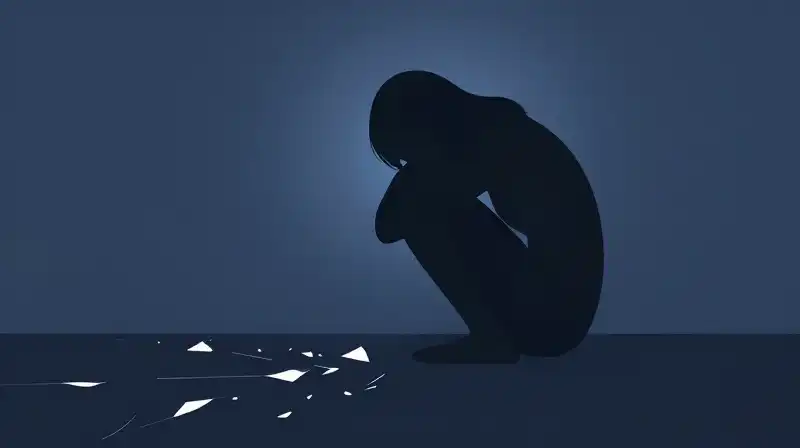
Understanding the Quiet Observer: A Deep Dive into Johnny Cade’s Personality

When we look at characters in literature or people in our own lives who seem to perpetually “shrink” into the background, it is easy to mistake their silence for weakness or lack of interest. Johnny Cade, a central figure in S.E. Hinton’s The Outsiders, is a profound example of how personality is often a survival mechanism rather than a fixed set of traits. He isn’t just a “quiet kid”; he is a person whose entire way of interacting with the world has been sculpted by a need for safety.
By examining Johnny’s personality, we can better understand the psychological concept of hypervigilance and how chronic environmental stress—specifically neglect and abuse—shapes a person’s temperament. Understanding these patterns helps us recognize why some individuals may appear “jumpy” or withdrawn, even when they are surrounded by people they trust.
Key Traits of Johnny Cade’s Personality
Johnny’s behavior is not a single, unified way of being, but rather a collection of responses to a high-stress environment. His personality can be broken down into several observable patterns:
- Extreme Hypervigilance: Johnny is often described as having a “nervous, suspicious look” in his eyes 1. This isn’t simple shyness; it is a state of constant alertness. In psychological terms, this is often a response to trauma, where the brain is perpetually scanning the environment for potential threats.
- Non-Confrontational Demeanor: He tends to stay out of the center stage of his social group, choosing a quiet existence rather than seeking attention 1. This avoidance is a way to minimize his “footprint” and reduce the likelihood of being targeted.
- The “Kicked Puppy” Archetype: A powerful metaphor used by his friend Ponyboy describes Johnny as a “puppy that had been kicked too many times” (1, 2). This captures his core essence: a person who feels inherently vulnerable and lost due to repeated emotional and physical setbacks.
- Moral Disillusionment: Despite being part of a “tough” social subgroup, Johnny expresses a deep-seated belief that the violent conflicts, such as the “rumbles” between gangs, are ultimately pointless and achieve nothing 1. He possesses a level of internal reflection that many of his peers lack.
The Role of Trauma in Shaping Character
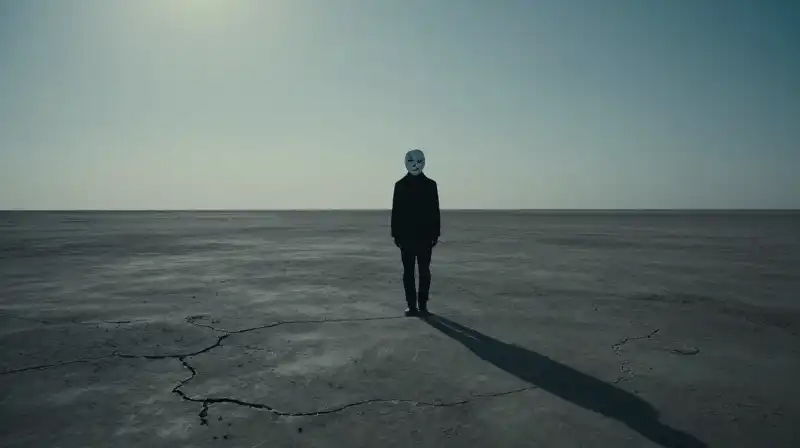
To understand why Johnny acts the way he does, we must look at his background. His personality is not an accident of nature, but a direct result of his environment.
Johnny’s home life was characterized by chronic neglect and verbal abuse from his mother, compounded by physical abuse from an alcoholic father (1, 2). When a child’s primary source of safety—their home—becomes a source of fear, their personality often adapts in specific ways:
- Isolation as a Safety Mechanism: Rather than seeking comfort at home, Johnny was willing to sleep in a vacant lot just to escape his domestic environment 1. For someone in his position, solitude is often safer than the unpredictability of an abusive household.
- The Protective Paradox: Although he is considered one of the most law-abiding members of his group, his fear led him to carry a weapon for protection 1. This creates a paradox: a person who dislikes violence but feels they must carry the tools of violence to survive.
- Reactive Decisiveness: While generally timid, Johnny is capable of sudden, decisive action under extreme stress, such as when he reacted to a perceived threat by killing a member of a rival group (1, 2). This suggests that his “quietness” is a layer covering a highly reactive survival instinct.
Comparing Defensive Personalities
It is helpful to distinguish between different ways people respond to stress. While Johnny is often grouped with the “tough” Greasers, his psychological profile is vastly different from the more aggressive members of that group.
| Trait | Aggressive/Externalizing Response | Johnny’s Defensive/Internalizing Response |
|---|---|---|
| Conflict Style | Seeks out confrontation to establish dominance or territory. | Actively avoids conflict and seeks to minimize visibility 1. |
| Social Role | Often seeks center stage or leadership within the group. | Acts as a quiet observer or a supportive, protective figure 1. |
| Stress Reaction | Often manifests as outward anger or physical aggression. | Manifests as skittishness, nervousness, and hypervigilance 1. |
What is Johnny’s personality like?

If you are asking this to better understand his character in a literary context, the answer is that he is a highly sensitive, fearful, and observant individual. He is defined by a tension between his natural desire for peace and the violent, unpredictable world he inhabits. He is a “protector” not through strength, but through empathy and a desire to comfort others in distress 1.
Recognizing These Patterns in Real Life
While Johnny Cade is a fictional character, the patterns he exhibits are very real in human psychology. Recognizing these signs in others—or in ourselves—can be the first step toward understanding the underlying causes of behavior.
What to watch for:
- Hypervigilance: Does the person seem constantly “on edge” or overly sensitive to sudden noises or changes in tone?
- Social Withdrawal: Is their quietness a choice of preference, or does it seem like a way to avoid being “seen” or targeted?
- The Conflict Gap: Does the person express a strong dislike for violence or conflict, yet seem to struggle with extreme, reactive responses when cornered?
Note: Recognizing these patterns is not a substitute for professional psychological evaluation. If you or someone you know is struggling with the effects of trauma or abuse, seeking support from a mental health professional is a vital step toward healing.
References
Footnotes
Frequently Asked Questions
What is Johnny's personality like?
Johnny is a highly sensitive, fearful, and observant individual characterized by extreme hypervigilance and a non-confrontational demeanor. He is defined by a tension between his natural desire for peace and a reactive survival instinct shaped by his traumatic environment.
Related Articles